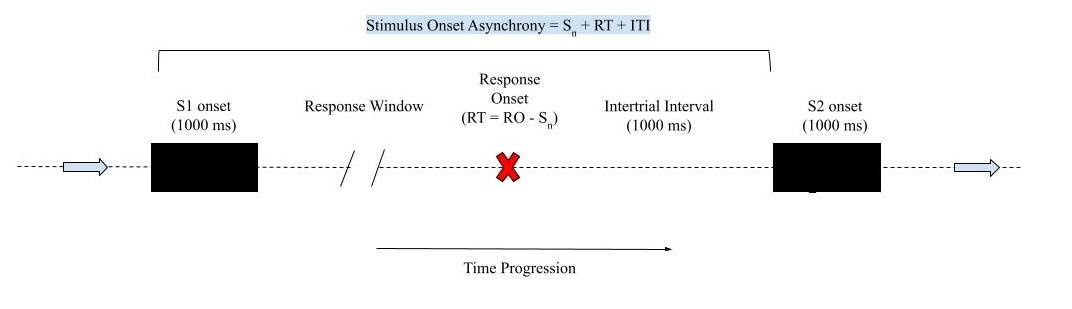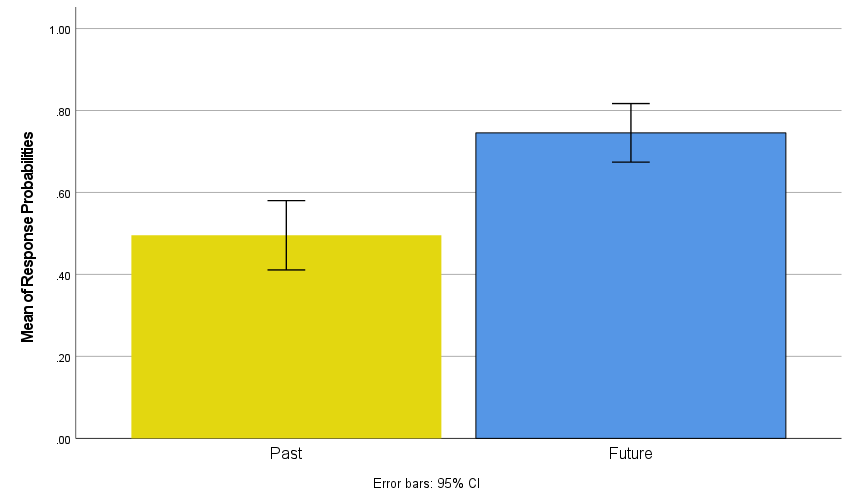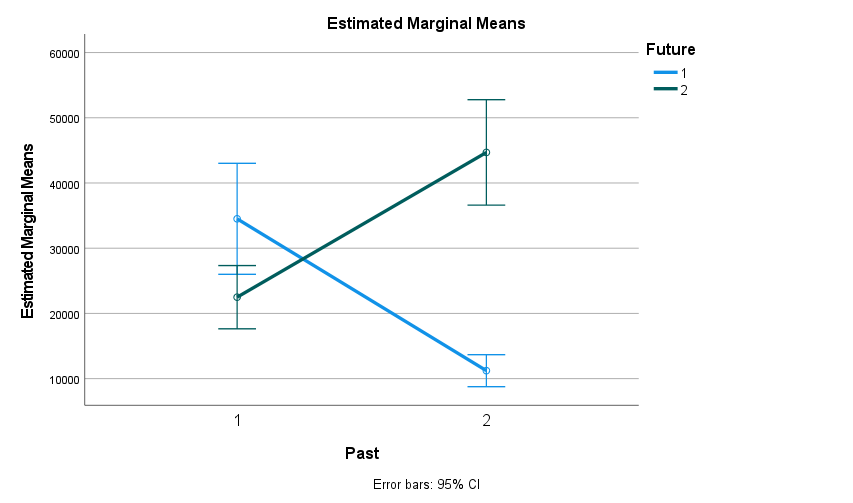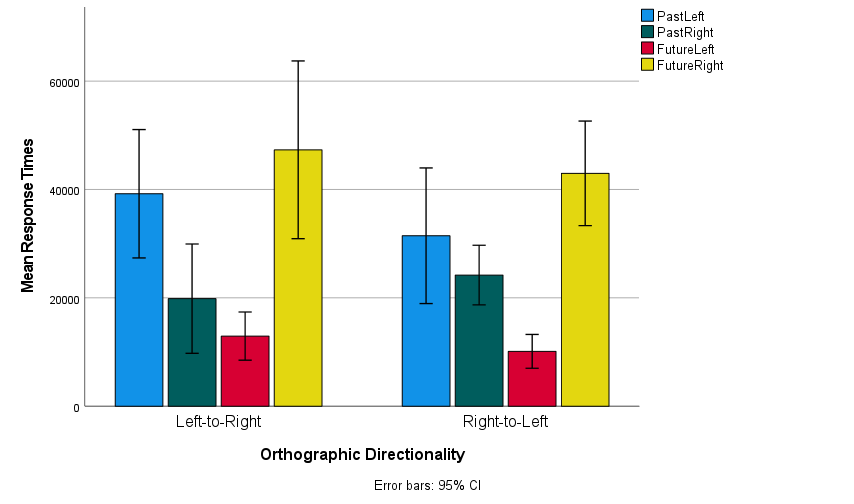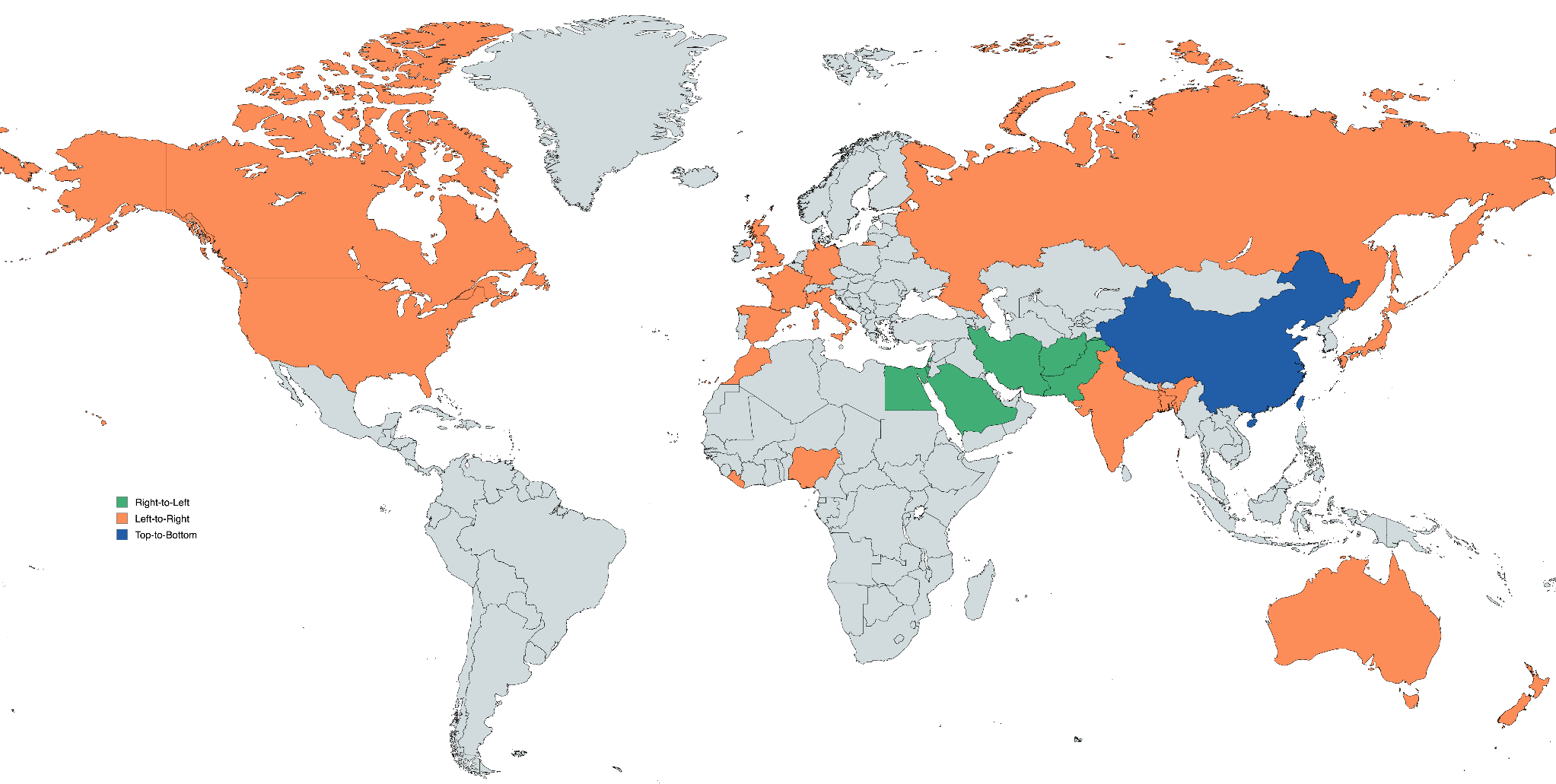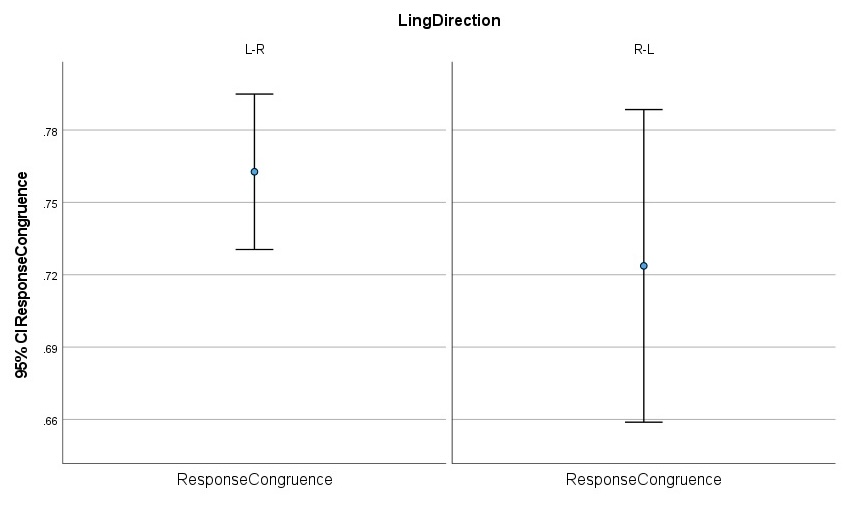
Humans possess three-dimensional mental timelines that emerge from sensorimotor interaction, pointing towards an underlying cognitive structure. Each language has nuanced representations of time-related words, influenced by writing direction. To investigate the possibility of multiple mental timelines for time-related words on the horizontal dimension, this study examined English-speaking bilinguals from fourteen countries. 96 participants (64 left-to-right readers, 32 right-to-left readers, Mage = 27.49) completed a two-alternative forced choice task in a bespoke online experiment. The task included 20 time-related words, delivered twice visually and twice aurally, in a randomized order. Results indicated that participants conformed to the left-to-right reading convention i.e associating past words with left, and future words with right direction, as opposed to vice versa. It was evidenced by significantly higher response congruency (89% vs. 56%), and faster response times (~420ms vs. ~870ms), demonstrating the Spatial-Temporal Association of Response Codes (STEARC) effect. The results shape free-will versus predestination debate, in the favour of the latter. Future studies may utilize results for informing diagnosis and therapy for dementia, Alzheimer’s, and learning disorders, as well as furthering representational awareness of computational cognition.
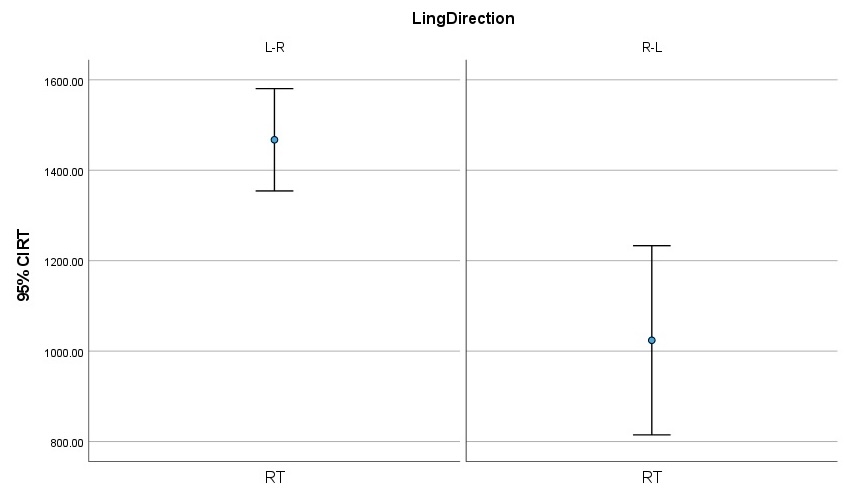
SPOT-L2 study exposed that Urdu bilinguals scored exceptionally high in the LEAP-Q test, demonstrating English proficiency. Pakistan holds a British colonial past, and its effects can still be observed in the contemporary world. More data was collected from the native English and Urdu bilinguals on the same experiment. LEAP-Q scores for native English speakers (n = 32) was 9.88, while for Urdu bilinguals (n = 27) was 9.08. Urdu bilinguals recorded significantly faster RTs (1024ms vs. 1468ms) than native English speakers in English-normative experimental study, outperforming the natives. No significant differences in response accuracy were observed. Findings indicate the presence of contrasting mental timelines, signalling towards the high cross-cultural exposure. This raises questions about the universality of mental representations and the existence of a universal grammar. Opens up possibilities for longitudinal studies and RCTs for the exploration of mental architecture in postcolonial countries, with and without differing orthographic directions.
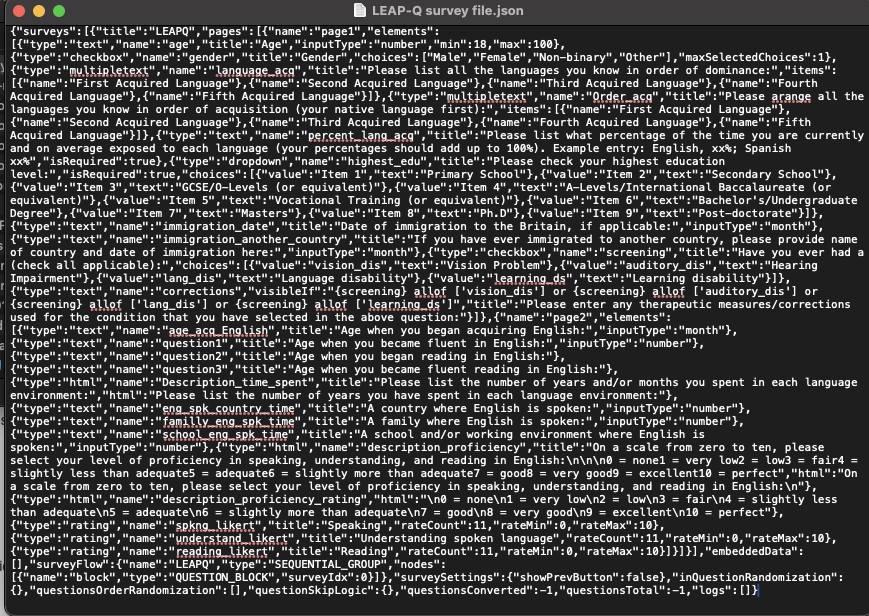
Amongst many tests, such as IELTS, TOEFL, Duolingo etc, for assessing the proficiency of English language. Administering these tests require temporal, logistical, and financial resources, disqualifying their efficacy for an in-experiment administration. The scores for these tests may not be available for all the participants beforehand. LEAP-Q provides an alternative steeam for assessing proficiency along with the source of acquisition and the duration of acquisition of the language. The tool is open-source and is widely used. Upon stumbling across an opportunity to conform the test to Pavlovia, a widely used digital experimental platform, efforts were made to design a transferrable LEAP-Q using .json platform.
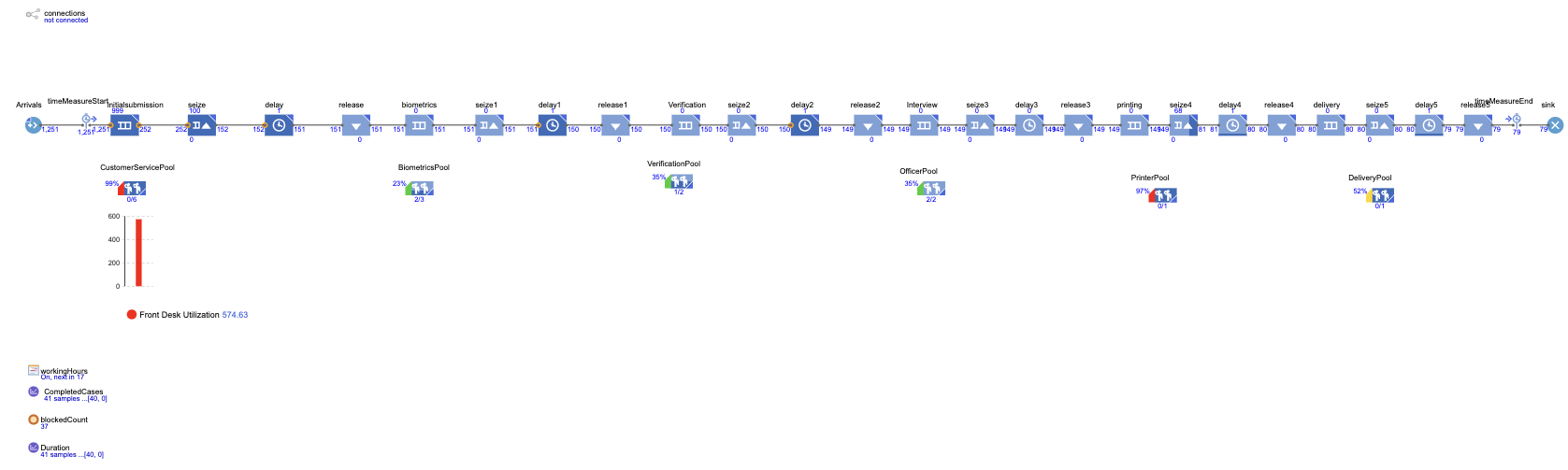
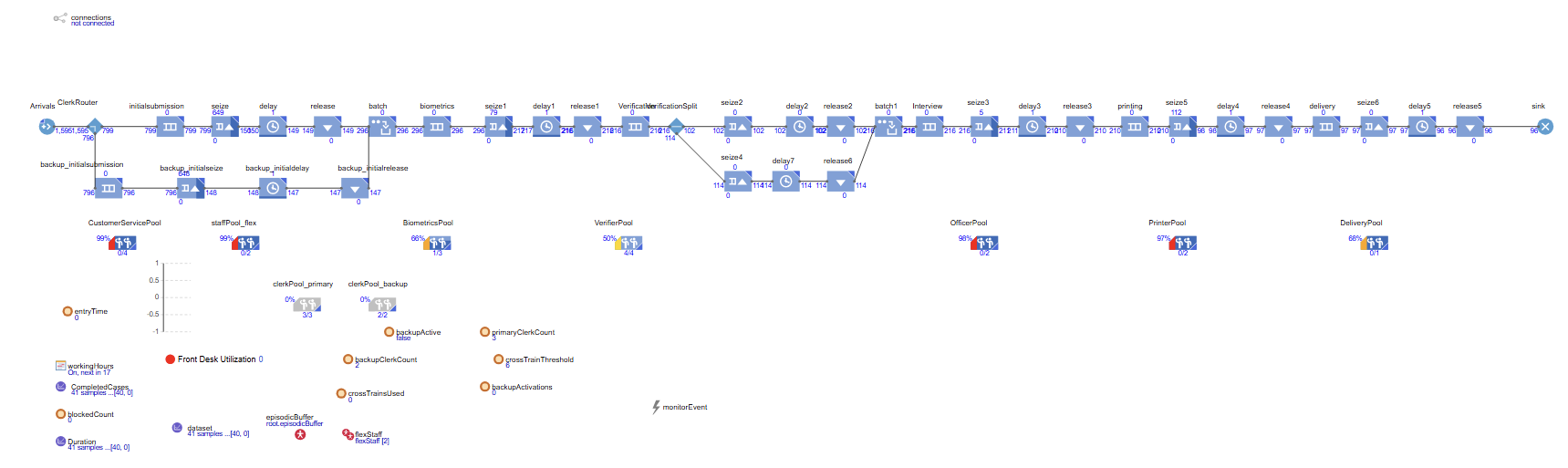
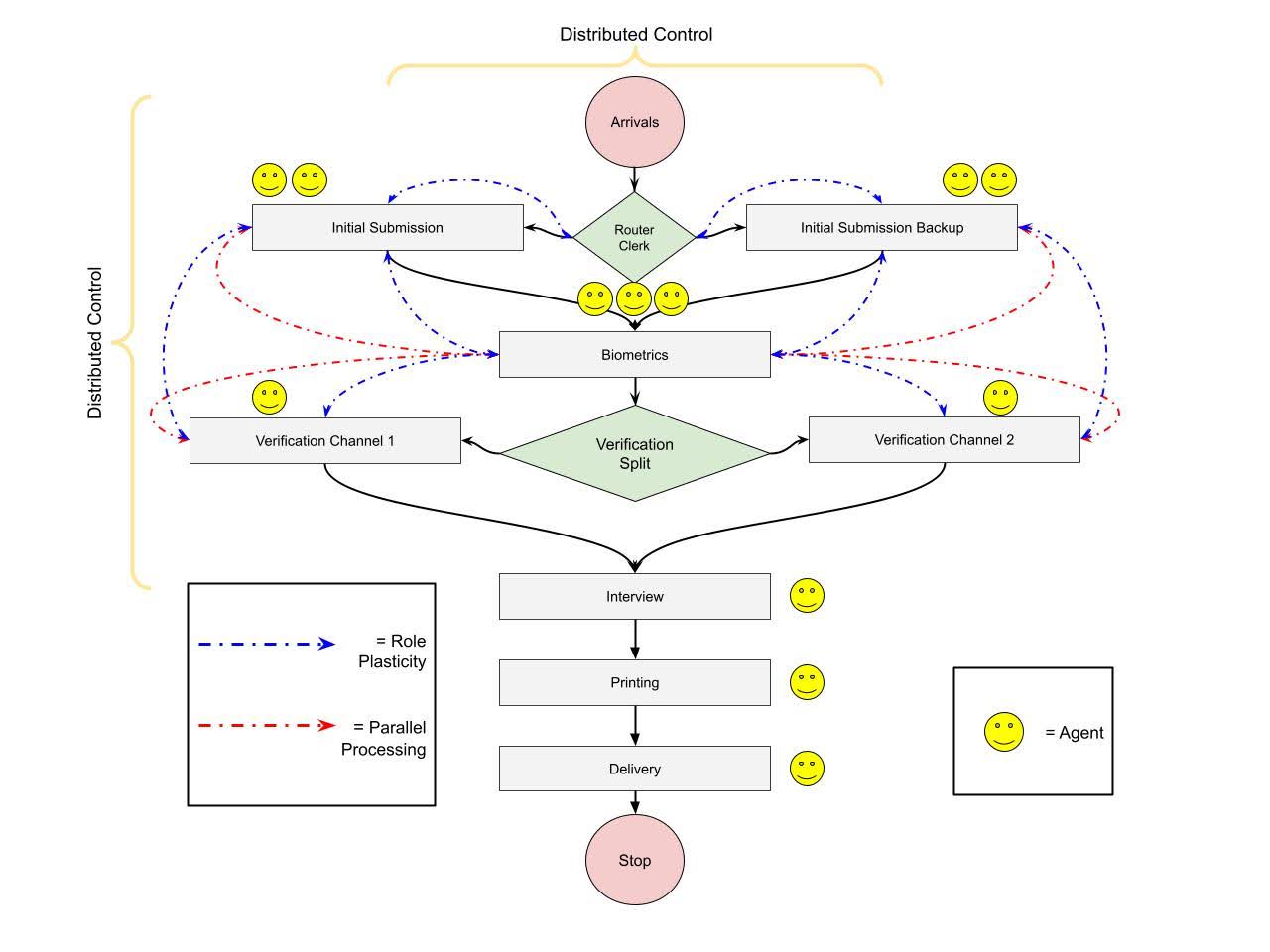
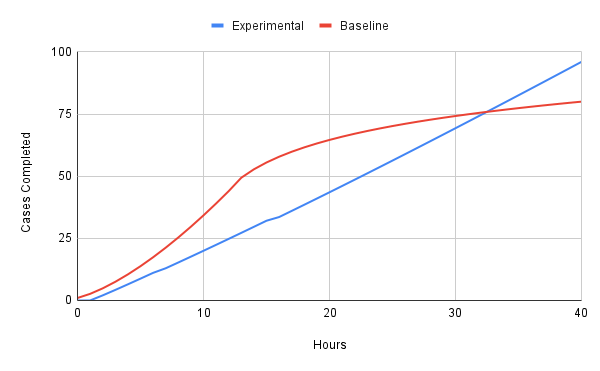
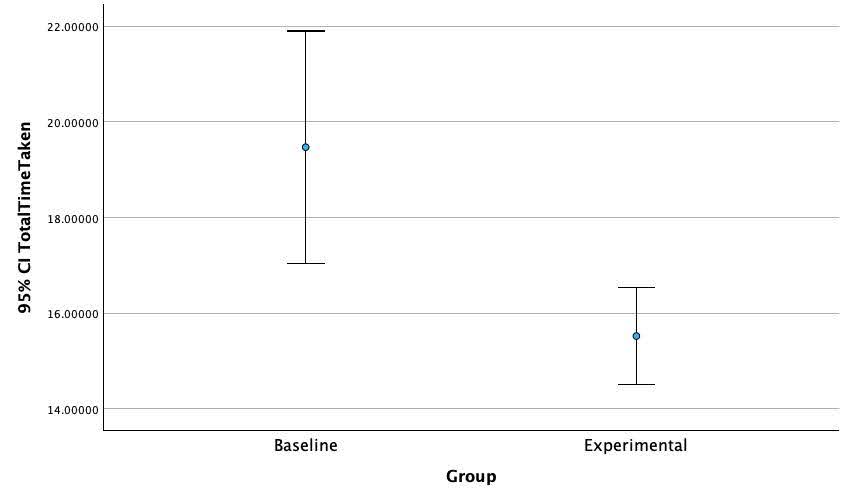
Weberian bureaucracy is a hallmark of organizational structure, and while lauded for its efficient design, recent studies suggest the presence of an improvement potential. Tangentially, human information processing is a sophisticated design curated by nature, processing astonishing amounts of data with immaculate efficiency, outlined by Baddeley’s working memory model. Following study explored organizational efficiency, employing passport office, using distributed control, role-plasticity, and parallel processing features from the working memory model through agent-based modeling via computer simulation. The results recorded a 27.5% (1251 versus 1595) improvement in the number of processed applications per week, 21.52% increase (79 versus 96) in the number of cleared cases per week, with 20.3% improvement in the average processing time (19.47 versus 15.52 hours) boasting high statistically significance, t(365) = 3.37, p < .001. This carries promise for organizational restructuring and policy designs in the public sector, and calls for devolution of tasks and authority for efficiency maximization.
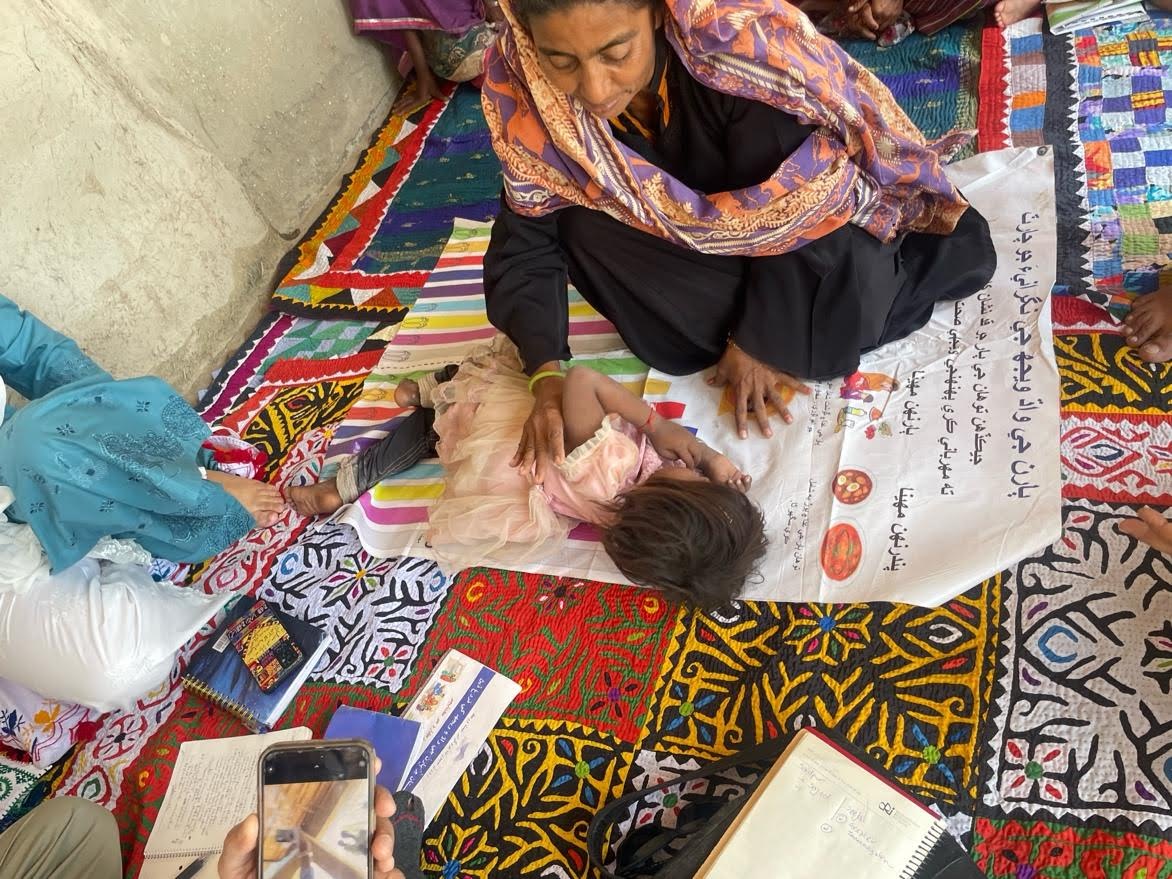
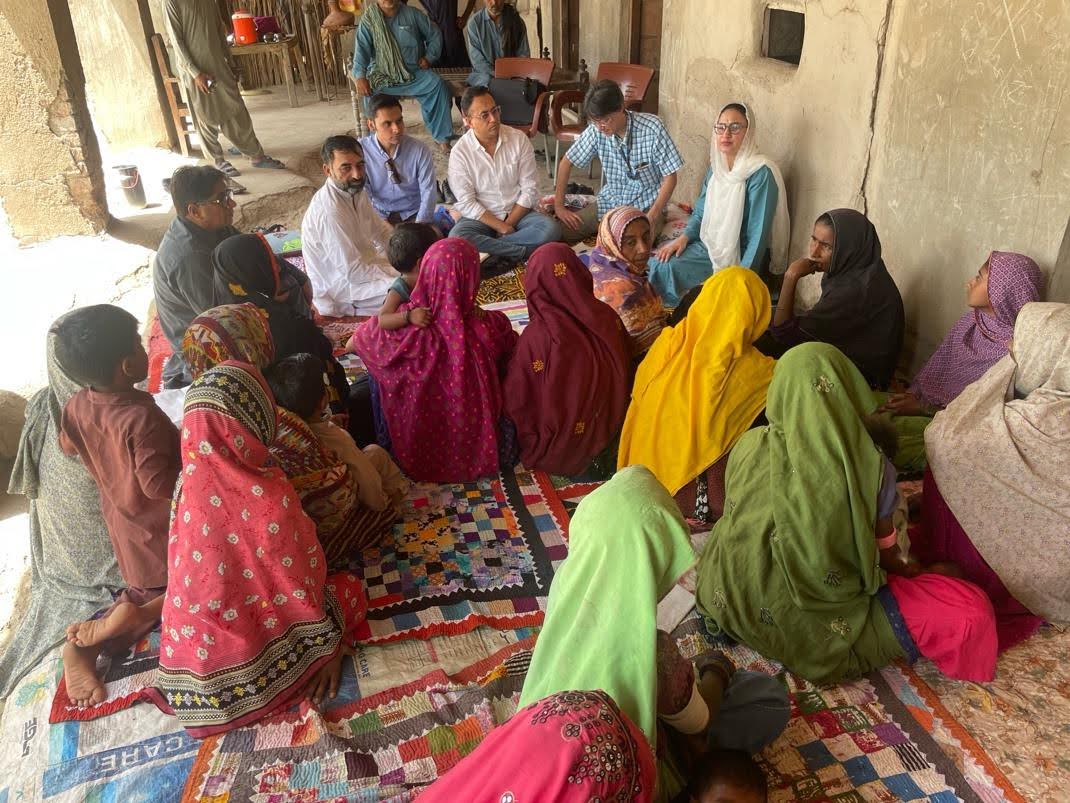
Growth posters installed inside the household can improve nutritional outcomes of children by increasing salience, changing the parents’ reference for healthy norms, and helping them better understand the returns to improved nutritional inputs. We intended to test the efficacy of home-based growth monitoring (HBGM) whereby a growth-poster installed inside the home enables caregivers/parents – with front-loaded Lady Health Worker’s support – to measure their children’s height/weight and track their linear growth over time at home. An intervention based on home-based growth monitoring had the advantage of being cost-effective and is therefore, scalable. Over 2800 households were selected for the study.
Our intervention design also attempts to address concerns around intra-household reallocation (for instance, from daughters to sons) in two ways. The poster had visuals highlighting the benefits of good nutrition to both boys and girls. The counselling emphasized null difference in nutritional needs between the two genders. Moreover, a key objective of the counselling is to help the caregivers understand the returns to food of better quality, irrespective of gender.
The major goal of this project was to test how community health worker resources can be optimized to scale promising child nutrition programs in Pakistan. In terms of research, the results of this cRCT informed the following question:
Does in-home growth monitoring by caregivers using GroMoTo with active assistance and counseling by a CHW, improve child anthropometrics (as compared to standard nutritional counseling alone)?
Endline survey has been completed as of October, 2025. The results are being compiled for reporting.
In the vibrant and diverse South Asian region, Pakistan emerges as a unique and culturally rich country. In the realm of public administration, a largely unexplored facet relates to faith-based institutions. This study was aimed to delve into the pivotal role played by faith-based institutions, namely darbars, in shaping the sociocultural landscape, while also emphasising their positioning alongside government institutions. More specifically, the study discussed two selected darbars, shedding light on the complex interplay of faith, governance, and society in Pakistan. This study elucidated substantial presence of the Ministry of Auqaf, a government institution dedicated to the management of faith-based institutions. Analysed the role of darbars in providing public value, recognising their functions as a parallel entity to the government.
Neonatal epilepsy is an understudied pathology in Pakistan. Due to the presence of consanguineous marriages, rampant poverty, maternal stressors, water and hygiene conditions, and dietary habits, it becomes arduous to single out relevant contributory factors. Over the period of one year, 413 neonates (Mage = 0.92 years, 199 males, 214 females) with epilepsy were recruited. Clonic seizures were found to be highly correlated (r = .77) with consanguinity and poor water sourcability (r = .62). k-complex was also found to be consistently present among children with perinatal anoxia. No consistent pattern of N400 or P600 was observed among infants. Central Khyber Pakhtunkhwa region was found to be the hosting the largest percentage of neonates with epilepsy.
Open for work collaborations, reviews, invitations, interviews, or general chat